I DO SOMETINGS TO EDUCATION





Enhancing Learning Experiences: The Role of Integrated Control Units in Smart Classrooms
6/2/20254 phút đọc
Understanding Integrated Control Units
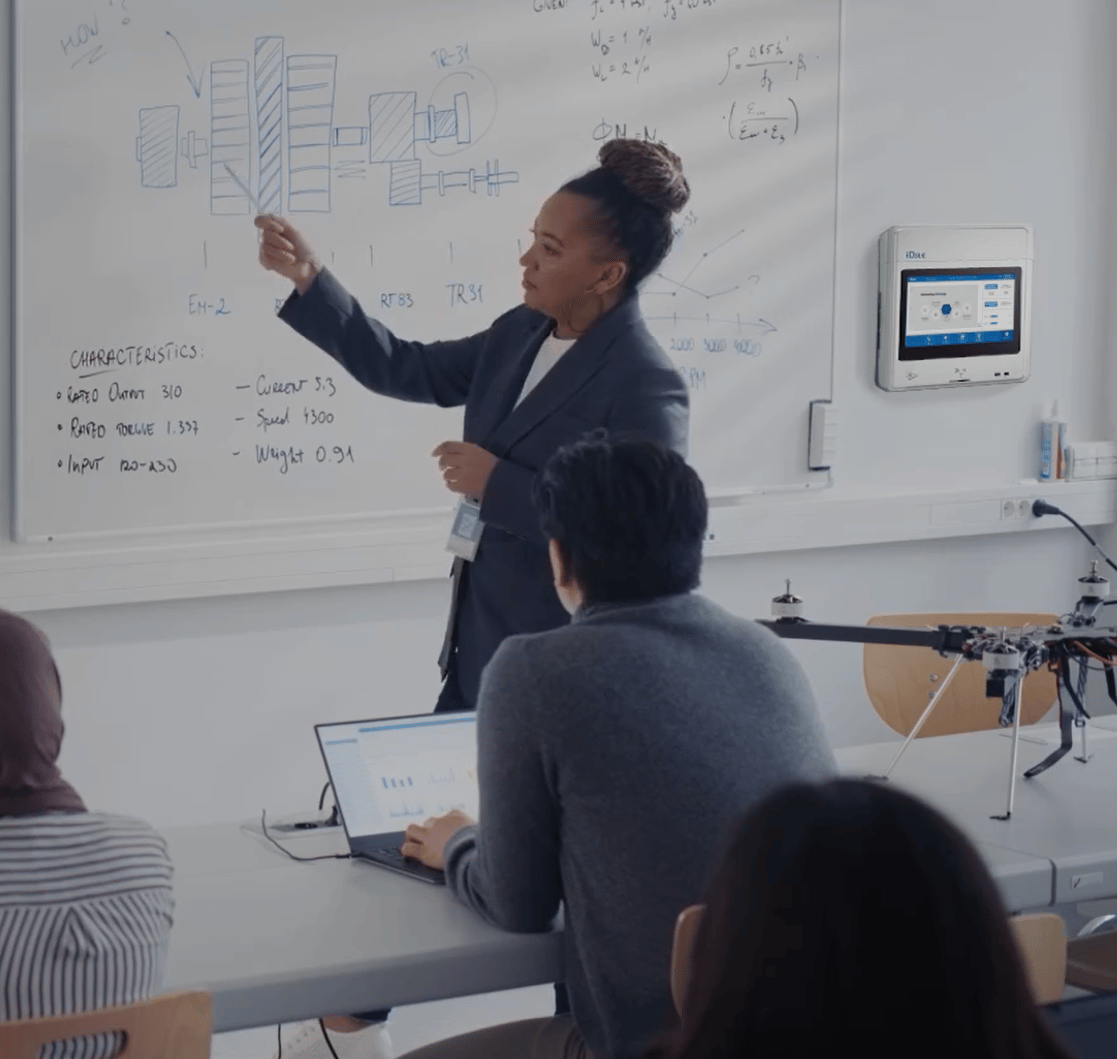
Integrated Control Units (ICUs) play a pivotal role in the functionality and efficiency of smart classrooms. In essence, an ICU is a centralized system designed to manage and streamline the operation of various technological elements within an educational environment. By consolidating hardware and software components, ICUs serve as the backbone for coordinating diverse devices, such as lighting, audiovisual equipment, and environmental controls. This integration not only enhances the user experience but also optimizes the educational process.
The core components of an ICU typically include a control hub, various sensors, user interfaces, and connectivity options. The control hub acts as the central processing unit, receiving input data from different devices and controlling their output functionalities. Sensors integrated within the ICU can monitor environmental conditions, detecting factors such as temperature, humidity, and occupancy. This data allows for automated adjustments, ensuring a comfortable and conducive learning atmosphere.
User interfaces such as touchscreens or mobile applications contribute significantly to the effectiveness of ICUs. They facilitate easy access for educators and students to adjust settings or information. The seamless connection across different classroom technologies is enabled by robust connectivity options, including Wi-Fi, Bluetooth, and other networking protocols. Such comprehensive integration allows for a responsive environment that can adapt to the dynamic needs of the classroom.
The significance of ICUs transcends mere convenience; they are crucial in fostering an engaging and interactive educational experience. By providing educators with the tools to control various aspects of their teaching environment effortlessly, ICUs help to create an atmosphere where both teaching and learning can thrive. This holistic approach to technology management ensures that lessons are not simply delivered but are engaging and immersive, ultimately contributing to an enhanced learning experience for all.
Benefits of Integrated Control Units in Smart Classrooms
Integrated control units (ICUs) play a significant role in transforming traditional classrooms into dynamic, engaging learning environments. One of the primary advantages of these systems is their ability to optimize lighting and climate control. By regulating these elements, ICUs create an atmosphere conducive to learning, which can lead to improved student focus and retention. Proper lighting can reduce eye strain and fatigue, while a well-regulated temperature can enhance comfort, allowing students to concentrate on their studies.
Additionally, integrated control units enhance accessibility for students with disabilities. By providing customizable settings for individuals who may require specific environmental adjustments, such as audio enhancements or visual aids, ICUs ensure that every student has equal access to learning resources. This level of inclusivity is essential, as it fosters a supportive environment where all learners can thrive regardless of their unique needs.
Furthermore, these systems significantly increase efficiency for teachers as they manage classroom activities. By automating functions such as lighting, projectors, and climate control, educators can devote more time to teaching rather than navigating technical adjustments. This streamlining of classroom management not only saves time but also allows teachers to experiment with various instructional methods. ICUs are designed to support diverse teaching styles, thereby accommodating inquiry-based learning, collaborative projects, and interactive lectures.
Moreover, integrated control units facilitate interactive learning opportunities, enhancing student engagement and improving overall learning outcomes. With features such as real-time updates and remote management, teachers can easily adapt their lessons to the needs and interests of their students. This adaptability promotes a more personalized learning experience and encourages active participation, which is crucial for developing critical thinking skills.
Implementation Strategies for Integrated Control Units
Implementing integrated control units (ICUs) in smart classrooms requires a systematic approach to ensure effectiveness and sustainability. The initial planning stages are crucial; educational institutions must first identify specific needs and objectives that ICUs can address. Conducting a needs assessment allows for a clear understanding of the existing technological landscape and the desired outcomes of integrating ICUs. This phase also involves engaging key stakeholders, including faculty, administration, and possibly students, to gather insights and foster support for the initiative.
Once the planning is underway, selecting the right technology becomes vital. Different ICUs vary in functionality and compatibility, thus it is imperative to evaluate options that suit the unique requirements of the classroom environment. Factors to consider include scalability, ease of use, interoperability with existing systems, and compatibility with various teaching methodologies. Collaboration with IT professionals during this stage is essential, as their expertise will guide schools in selecting the most suitable equipment and software while anticipating integration challenges.
After choosing the appropriate technology, the actual installation and integration process should be meticulously planned. This involves ensuring that the physical setup of the classroom promotes effective use of ICUs. Furthermore, a focus on user-friendly interfaces cannot be overstated. Educators need to seamlessly interact with the integrated control units without extensive technical knowledge. Therefore, providing comprehensive staff training is crucial, equipping teachers with the skills to utilize the technology effectively. Ongoing support should also be established to address any issues that arise post-implementation, ensuring that the integration of ICUs evolves alongside educational needs. Ultimately, fostering user buy-in and continuous feedback from educators will facilitate a smooth transition to smart classroom environments, maximizing the potential of integrated control units.
Future Trends in Integrated Control Units for Education
As educational environments continue to evolve, integrated control units (ICUs) are expected to play a crucial role in shaping the future of smart classrooms. One of the most significant trends is the increasing incorporation of emerging technologies such as artificial intelligence (AI) and machine learning. These technologies have the potential to enhance the capabilities of integrated control units dramatically. For instance, AI can analyze student engagement and performance data, allowing educators to tailor lessons to individual needs, ultimately creating a more effective learning experience.
Moreover, the impact of data analytics cannot be overstated in the context of personalized education. By harnessing data from various sources, including student interactions and progress tracking, integrated control units can facilitate the creation of customized learning paths for each student. This level of personalization helps to ensure that all learners, regardless of their unique starting points, receive the support they need to thrive in their educational journeys.
Remote learning and hybrid classroom models have gained traction due to recent global events, and integrated control units are integral to this shift. These systems can seamlessly blend in-person and virtual learning environments, ensuring that technology operates smoothly. This capability not only extends access to education but also fosters collaboration among students and teachers, irrespective of their physical locations.
Looking ahead, it is evident that advancements in integrated control units will continue to reshape the educational landscape. As these systems become more sophisticated, they will likely incorporate advanced features, including voice recognition and real-time feedback mechanisms, further enhancing the learning experience. Educators and institutions must remain adaptable and prepared to embrace these changes, ensuring that they provide an educational experience that not only meets current demands but also anticipates future needs.
Address
Khoa Công nghệ Jinjijia, Đường Kim Khê, Đại lộ Bình Lý, Lý Lang, Quận Long Cảng, Thủ đô Hồ Chí Minh。
Contact
+86 18664995571
info@szidste.com
Theo dõi chúng tôi
Copyright © Shenzhen iDste Information Technology Co., LTD.All Rights Reserved.