I DO SOMETINGS TO EDUCATION





Unleashing the Future: The Advantages of 5G Wireless Microphones
6/3/20258 min read
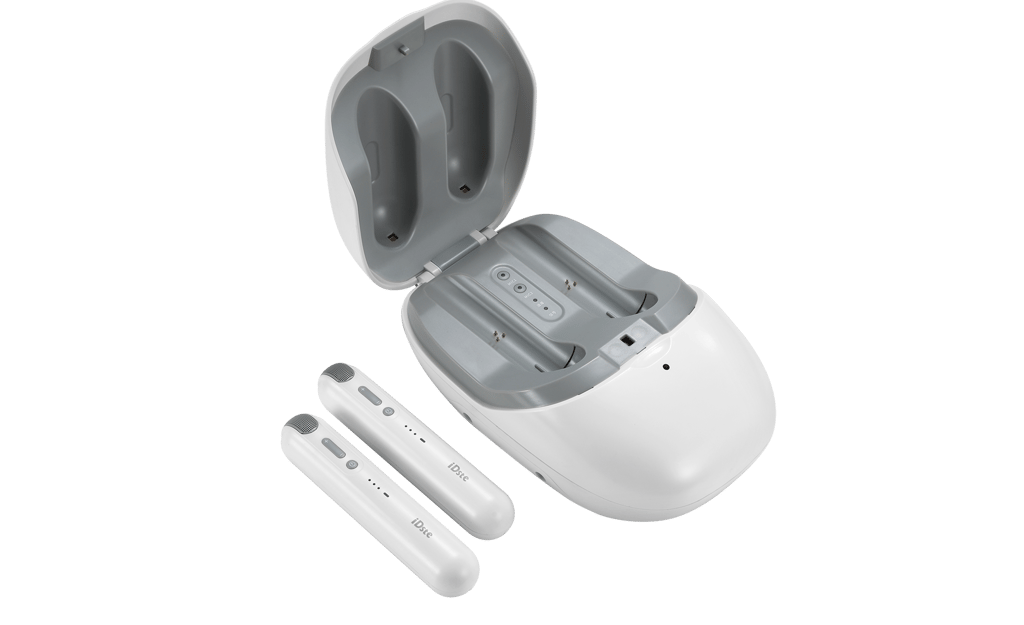
Understanding 5G Wireless Transmission
The advent of 5G wireless transmission marks a significant milestone in communication technology, offering unparalleled advantages in audio transmission. Unlike its predecessors, 5G technology is characterized by its high bandwidth capabilities, which facilitate a level of data transfer previously unattainable. This increased bandwidth allows for seamless connectivity, making it an ideal choice for applications requiring real-time audio streaming, such as classrooms, live performances, and professional broadcasting.
At its core, 5G leverages advanced technologies, including millimeter waves, massive MIMO (Multiple Input Multiple Output), and beamforming. Millimeter waves, which operate at higher frequency bands, are capable of transmitting larger volumes of data with minimal latency. This feature is particularly beneficial for scenarios where clarity is essential, as it enables lossless audio transmission. The enhanced data capacity ensures that audio signals can be relayed without the need for compression, preserving their original quality and fidelity.
Furthermore, the integration of massive MIMO technology allows for multiple data streams to be transmitted simultaneously, effectively increasing the channel capacity. In live event settings, for instance, this means that multiple microphones can operate concurrently without interference, ensuring that every speaker or performer is captured with precision. Beamforming further refines this process by directing the wireless signal toward specific users rather than broadcasting in all directions, enhancing the clarity and strength of the audio signal.
As a result, 5G technology not only improves audio clarity but also enhances user experience across various applications. From educational environments where every word must be heard clearly to performances demanding high-quality sound reproduction, the implications of 5G wireless transmission are profound. The continuous advancements in this technology stand to transform the audio landscape significantly, paving the way for clearer and more reliable sound transmission.
Benefits of Dual-Microphone Simultaneous Amplification
The advent of dual-microphone simultaneous amplification technology in 5G wireless microphones marks a significant breakthrough in audio communication. This innovative feature revolutionizes how sound is captured and transmitted, particularly in environments such as classrooms and large meeting spaces. By utilizing two microphones that work in tandem, this technology ensures that multiple speakers can be heard clearly and distinctly, addressing a common issue faced in traditional sound systems where only one voice could dominate the audio landscape.
In a classroom setting, for instance, the dual-microphone feature allows both the teacher and a student or guest speaker to be amplified simultaneously. This capability facilitates a more interactive learning experience, where students’ questions and contributions can seamlessly be integrated into the discourse without the need for the teacher to adjust equipment or switch between microphones. Consequently, the flow of communication is enhanced, promoting a more engaged learning environment.
Moreover, this technology mitigates the risk of interference and audio crossover that often occurs in single-microphone systems. Each microphone can be fine-tuned to isolate and capture the specific voice it is intended to pick up. This results in clearer sound quality and minimizes background noise, thus ensuring that all participants in any discussion are heard with optimal clarity. The dual-microphone system is particularly advantageous in larger spaces where sound can easily become muddled. Notably, the integration of 5G capabilities further supports this functionality by providing a stable and low-latency connection, which is crucial for real-time applications, facilitating engaging conversations without delays.
Ultimately, the dual-microphone simultaneous amplification technology presents profound benefits for various applications, where effective communication is paramount. The ability to hear multiple voices clearly not only enhances interaction but also promotes inclusivity, making it an invaluable asset in modern audio solutions.
Flexible Pickup Modes for Enhanced Teaching
The implementation of 5G wireless microphones has significantly transformed the educational landscape by introducing innovative features that cater to the diverse needs of educators and their students. One such notable advantage is the flexible pickup modes offered by these advanced microphones. These modes allow teachers to switch seamlessly between various sound pickup settings, ensuring that their voice is heard clearly regardless of the classroom dynamics.
With the ability to toggle between omnidirectional, unidirectional, and other specialized modes with a single key press, instructors gain greater control over their teaching environment. The omnidirectional mode captures sound from all directions, making it ideal for professors delivering lectures to large groups or for collaborative learning sessions where multiple voices may need to be heard. On the other hand, the unidirectional mode selectively targets sound from a particular direction—most commonly the educator’s voice—thereby minimizing background noise and distractions. This targeted approach is especially beneficial in classrooms with high ambient noise levels, enhancing the overall clarity of instruction.
Furthermore, the intuitive nature of these switching mechanisms allows educators to adapt their sound pickup preferences on the fly. This flexibility is paramount in maintaining engagement, as teachers can quickly respond to the classroom's dynamics, whether they are conducting group discussions or addressing a single student. The ease of transitioning between modes not only elevates the teaching experience but also helps in creating a more immersive learning atmosphere.
Ultimately, the innovative pickup modes found in 5G wireless microphones exemplify their role in modern education. By ensuring that educators can communicate effectively and effortlessly adapt to varying classroom environments, these microphones serve as vital tools in enriching the teaching and learning experience.
Upgrading Sound Control: Automatic Gain and EQ Adjustments
In the realm of audio technology, the advent of 5G wireless microphones has ushered in significant improvements, particularly in sound control features. One of the standout capabilities offered by these advanced microphones is automatic gain control (AGC). This feature adjusts the microphone's sensitivity in real time, ensuring consistent audio levels regardless of the speaker's distance or vocal intensity. As a result, listeners benefit from a cleaner, more balanced sound experience, free from abrupt fluctuations that often characterize traditional systems.
Equally important is the customizable equalizer (EQ) settings available in modern 5G wireless microphones. With these enhancements, users gain the ability to tailor the audio output to their specific requirements or preferences. Whether one seeks to amplify certain frequencies for clarity in speech or reduce others to eliminate background noise, the customizable EQ provides an array of options. This level of personal optimization allows sound professionals to create an acoustically pleasing environment that enhances both performances and recordings.
Additionally, automatic frequency control plays a crucial role in maintaining audio integrity during live events. This smart feature automatically detects and mitigates any disruptive frequencies that may lead to unpleasant feedback or whistling sounds. With 5G wireless microphones, the system adapts dynamically to the surroundings, ensuring a seamless and hassle-free audio experience. Collectively, these advancements—automatic gain control, customizable EQ settings, and automatic frequency control—represent a significant leap forward for sound control technology, ultimately enhancing the overall audio experience for performers, speakers, and audiences alike. The integration of these features positions 5G wireless microphones as an essential tool in any audio production toolkit.
Applications in Education: Revolutionizing Classroom Communication
The advent of 5G wireless technology has significantly transformed various industries, and the field of education is no exception. 5G wireless microphones, in particular, are enhancing classroom communication, offering unprecedented opportunities for interaction between educators and students. These advanced devices enable real-time audio transmission with minimal latency, allowing educators to engage in dynamic teaching methodologies that were previously challenging or impossible to implement.
One notable case is the deployment of 5G wireless microphones in a middle school in California. The school adopted this technology in its science classes, where teachers utilized the microphones to deliver lectures during hands-on experiments. This approach not only improved audio clarity across the classroom but also allowed students to hear instructions and observations without the typical barriers posed by traditional microphone systems. Consequently, student engagement increased as learners felt more connected to the instructional material and actively participated in discussions.
Moreover, educational institutions are recognizing the importance of inclusivity, and 5G wireless microphones play a crucial role in this respect. For instance, in a special education setting, a university integrated wireless microphones for students with hearing impairments. The microphones amplified the teachers' voice directly to the students, ensuring they received the same quality of education as their peers. As an extra benefit, the technology also enabled the recording of lectures, providing students with access to materials for review, which significantly enhanced learning outcomes.
Additionally, interactive learning platforms have started utilizing 5G wireless microphones to facilitate remote learning experiences. In instances where students attend classes virtually, these microphones ensure that clear communication is maintained, allowing for a seamless integration of technology in teaching. As the education sector continues to evolve, the implementation of 5G wireless microphones is paving the way for more interactive and engaging learning environments, positioning technology as a fundamental element in modern classrooms.
Comparing 5G Wireless Microphones with Traditional Options
The evolution of microphone technology has ushered in a new era with the introduction of 5G wireless microphones. These advancements mark a significant improvement over traditional wired and wireless microphones in several key areas. First and foremost, sound quality stands out as a paramount advantage. 5G technology operates at higher frequencies, resulting in clearer and more accurate audio reproduction. This enhancement is particularly beneficial in professional settings where sound clarity is critical, such as in concerts, broadcasting, and recording studios.
Another crucial aspect in which 5G wireless microphones excel is ease of use. Unlike traditional wired microphones that often require cumbersome cabling and setup time, 5G wireless options offer greater mobility and convenience. Users can enjoy the freedom to move around without being tethered to a physical connection, thereby enhancing performance dynamics. Moreover, the setup process is typically streamlined, allowing performers and presenters to focus on their delivery rather than technical complications.
Adaptability is yet another factor that distinguishes 5G wireless microphones from their traditional counterparts. These microphones can seamlessly integrate into various environments, from large venues to intimate settings, without compromising quality. The reduced latency associated with 5G technology further contributes to this adaptability, ensuring real-time transmission of audio signals. This characteristic is particularly vital in high-pressure situations like live events where delays can significantly disrupt the experience for both performers and audiences.
In contrast, traditional microphones often grapple with limitations ranging from interference issues to restricted range. 5G wireless microphones overcome these hurdles, making them not only superior in terms of performance but also essential in the evolving landscape of audio technology. As the industry moves forward, embracing 5G technology is likely to become a necessity for those aiming for excellence in sound quality and operational efficiency.
Future Trends in Wireless Microphone Technology
As we stand on the brink of a technological renaissance, the advancements in wireless microphone technology driven by 5G promise to transform various aspects of audio capture and sound quality. The introduction of 5G networks is set to enhance the performance of wireless microphones significantly, allowing for lower latency and higher fidelity audio transmission. This ensures that professionals in fields such as broadcasting, live performance, and content creation will experience superior sound quality, free from interruptions and distortions that have plagued traditional wireless systems.
One of the emerging trends in wireless microphone technology relates to the integration of artificial intelligence (AI) with 5G capabilities. AI can enable real-time audio processing, enhancing sound clarity while simultaneously reducing background noise. This integration is expected to make microphones smarter, allowing for dynamic sound adjustments based on the environment, which will be particularly beneficial in challenging acoustic settings. Furthermore, AI-driven features could include automatic frequency management, optimizing available bandwidth by seamlessly switching frequencies in response to interference.
Moreover, the miniaturization and advancements in battery technology will facilitate the development of smaller and more efficient wireless microphones. Innovations in energy storage, such as the use of graphene-based batteries, could provide longer operational durations, reducing the frequency of charging cycles. Users can expect lightweight designs without compromising audio output quality, making them ideal for applications in television, film, and theatre.
Additionally, as the Internet of Things (IoT) continues to grow, future wireless microphones will likely become more interconnected with devices across various platforms. This seamless integration may allow for enhanced collaboration in live environments, where multiple microphones can share audio data to create a cohesive sound experience. Therefore, the forthcoming trends and innovations in wireless microphone technology will not only boost sound quality but will also increase usability and broaden their applications, setting the stage for an exciting future.
Address
Jinjijia Science and Technology Park, Jinke Road, Li Langping, Li Avenue, Longgang District, Shenzhen
Contact
+86 18664995571
info@szidste.com
Follow Us
Copyright © Shenzhen iDste Information Technology Co., LTD.All Rights Reserved.